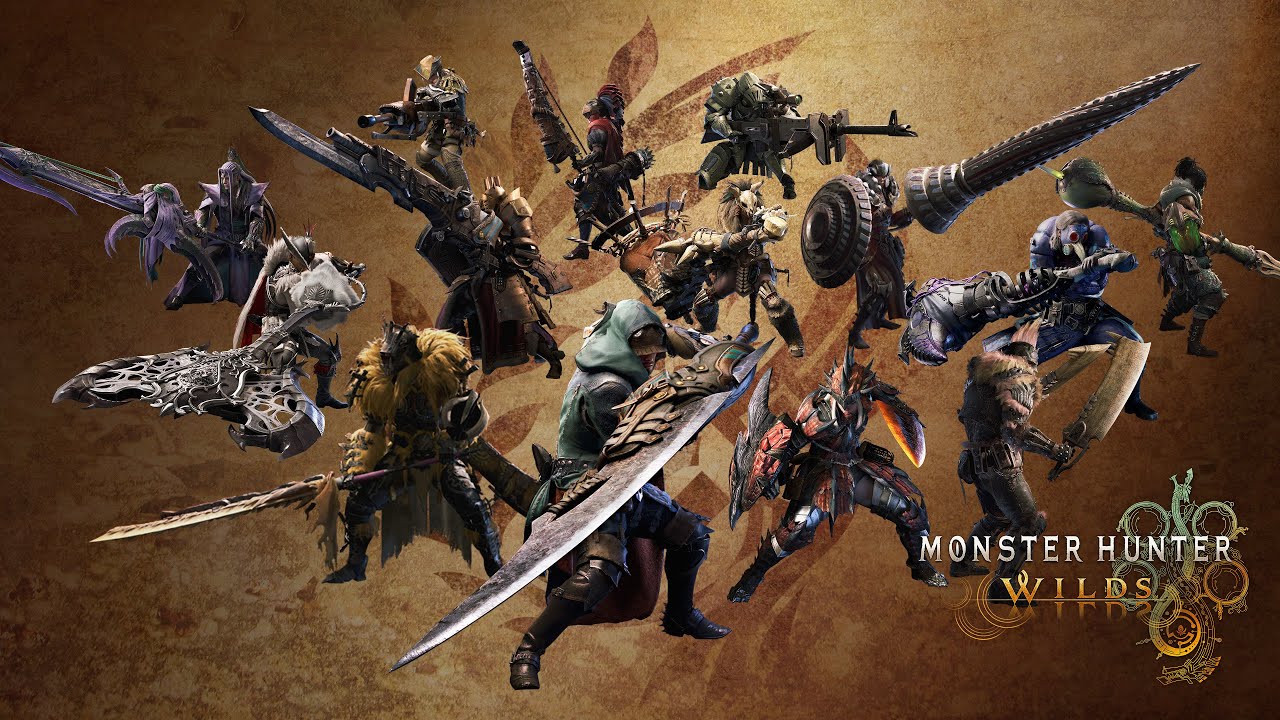
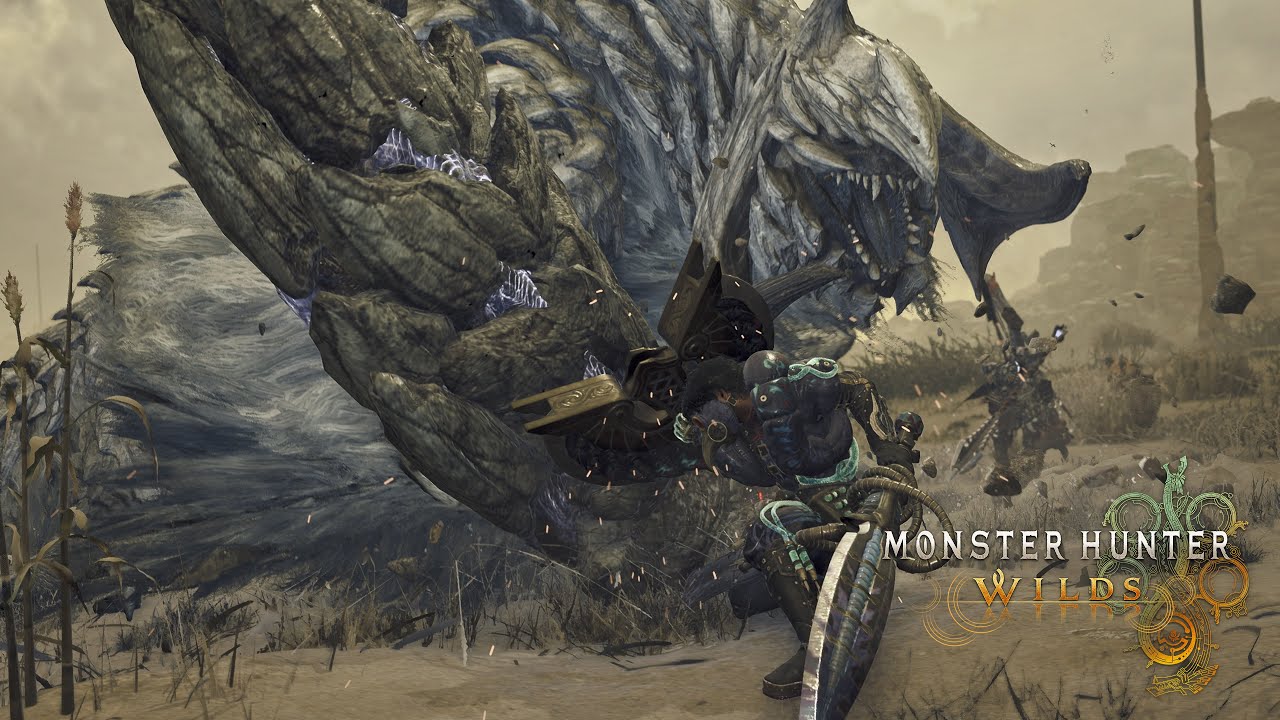
Gunlance build priority: make the weapon loop work first
Direct answer: Keep shelling, thrusts, reloads and defense in one repeatable cycle. A listed damage gain is irrelevant if the sequence stalls with empty shells or unsafe reloads.
Gunlance: decisions to test in the next hunt
| Decision | What to do in the hunt | Build response | Evidence to record |
|---|---|---|---|
| Spend shells inside a safe sequence | Observe which monster opening allows both a useful thrust and shell burst. | Support the shell-and-melee loop before increasing damage that depends on a perfect opening. | Count completed attack sequences rather than isolated shell hits. |
| Reserve a reload window | Reload after a real disengage or safe opening, not as the monster begins another attack. | Add defensive or positioning help only if reload interruptions recur. | Record interrupted reloads and time spent with empty shells. |
| Choose guard or sidestep | Against one repeated move, compare blocking with stepping aside and returning to range. | Keep the response that preserves pressure without draining the next shell cycle. | Track subsequent attacks and sharpness maintenance stops. |
What the official Gunlance material confirms
- Gunlance combines long-reaching thrusts with explosive shelling attacks.
- Its shells deliver powerful short-range blasts.
- A shield and sidesteps help the hunter choose the right moment to attack.
Official Gunlance sources
01
Monster Hunter Wilds: Gunlance — Weapon Overview
↗02Official footage and description used to establish the Gunlance mechanics on this page.
Monster Hunter · Checked Aug 20, 2026Monster Hunter Wilds weapon types
↗03Official descriptions of all 14 weapon identities, resources and defensive or mobility tools.
PlayStation · Checked Aug 20, 2026Monster Hunter Wilds starter’s guide
↗Official instructions for the Training Area, Weapon Controls guide, Focus Mode, wounds and Seikret field maintenance.
PlayStation · Checked Aug 20, 2026