How Lies of P weapon assembly works
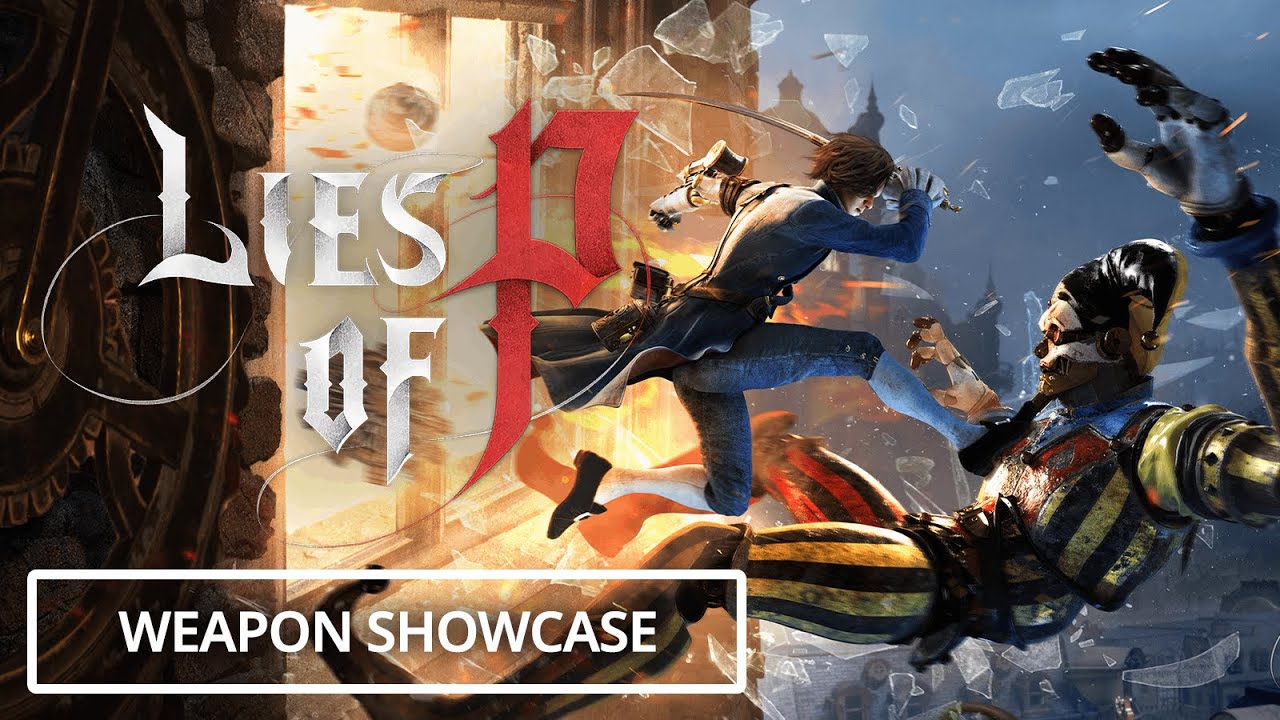
The short answer: choose a handle for its moveset and Motivity, Technique or Advance scaling, then attach a blade whose damage type, reach, weight and Fable Art fit those attacks. Upgrade levels belong to the blade, so an upgraded normal blade can be tested on several compatible handles.
Best early weapon: choose a dependable test, not a ranking
Weapon assembly becomes available after meeting Geppetto, through Eugenie at Hotel Krat or a Stargazer. Before spending upgrade materials, keep one familiar blade current and test new handles against the same enemy route.
| If you keep failing because… | Test this change | Keep the weapon only if… |
|---|---|---|
| Your punish starts too slowly | A handle with a shorter light or charged opening | The attack lands while preserving stamina for defense |
| You miss mobile targets | More forward travel, reach or a wider reliable motion | The familiar route produces fewer empty swings |
| Guarding drains too much recoverable health | A blade with guard qualities that better fit the plan | You can recover Guard Regain without taking a second hit |
| You cannot create the stagger punish | A charged heavy motion you can actually confirm | It reaches the white Groggy window consistently |
The useful early weapon is the one whose shortest punish, charged stagger attack and two Fable Arts you can explain. Displayed attack alone cannot tell you whether those actions fit the encounter.
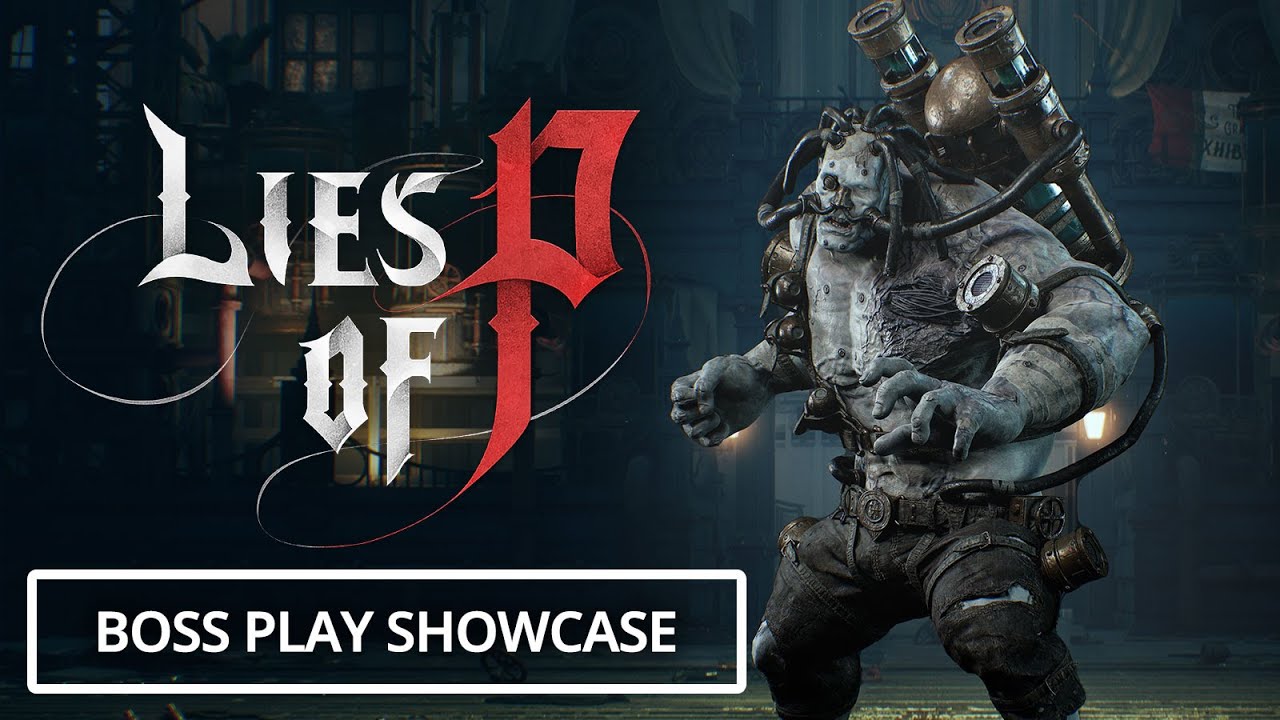
Boss weapons, special weapons and Rare Ergo
Normal weapons are assembled from blades and handles. Special weapons are fixed designs and should not be planned as if their parts can be separated. The current Overture update also adds a warning before Rare Ergo is used or sold.
This page does not publish a “best boss weapon” ranking without a defined build, upgrade state and encounter. Compare a special weapon with the same five-minute test used for normal assemblies: shortest punish, stagger tool, Fable Art use, reach and full-route resource cost.
Match slash and stab before comparing damage
Handles contain individual attack motions. Blades are suited to slashing, stabbing or both. Check the attack-type indicators on the assembly screen: a poor match reduces the value of that motion even when the displayed attack number looks attractive.
| Combination | What it changes | What to test |
|---|---|---|
| Long blade + quick handle | Adds reach and weight to a fast moveset | Whether recovery and stamina still fit the opening |
| Heavy blade + slow handle | Emphasizes guard and committed stagger pressure | Whether the charged attack can actually be confirmed |
| Stab blade + thrust handle | Aligns narrow attack type and forward reach | Tracking against mobile targets and corridor control |
| Elemental blade + Advance handle | Builds around elemental damage and Advance scaling | Target resistance and whether the handle supports the plan |
Reach also changes after assembly. A small blade on a sweeping handle may preserve the animation but shorten the point where it connects; a large blade can add reach while increasing weight and recovery pressure.
Motivity, Technique, Advance and cranks
| Scaling | Usually supports | Do not assume |
|---|---|---|
| Motivity | Strength-oriented physical setups and heavier handling | That every Motivity handle is automatically slow |
| Technique | Dexterity-oriented physical setups and responsive movesets | That light attacks always mean low stagger pressure |
| Advance | Elemental damage and Legion-oriented utility | That an elemental blade works on a handle with poor Advance support |
A crank alters a handle's scaling. Use one only after the handle's moveset has passed your field test and your levels support the new scaling direction. A crank does not repair incompatible slash or stab motions, and it does not turn every assembly into an upgrade.
A five-minute weapon test before upgrading
- 01Use the light and heavy strings
Mark which attacks move forward, sweep sideways, thrust narrowly or lock you into a long recovery.
- 02Find the shortest punish
Choose one attack that lands after a small opening without consuming the stamina needed for defense.
- 03Confirm the stagger tool
Test the charged heavy motion you will need when a white Groggy outline appears.
- 04Use both Fable Arts
Every assembled normal weapon combines one blade art and one handle art. Decide when each art belongs in the actual combat loop.
- 05Fight a familiar route
Compare hit rate, guard recovery, stamina and healing use across a complete encounter—not one large number.
Decide where the next upgrade material goes
| Result of the field test | Decision | Reason |
|---|---|---|
| The blade lands reliably on several compatible handles | Keep the blade current | Its upgrade level follows it when you change normal handles. |
| The handle misses, recovers too slowly or conflicts with slash/stab | Change the handle first | More blade damage does not repair the wrong moveset. |
| The moveset works but scaling does not match the build | Consider a crank after testing | A crank is an investment in a handle you have already chosen to keep. |
| The only appeal is one large status-screen number | Do not spend yet | Reach, stamina, guard and confirmed openings still need a full-route test. |
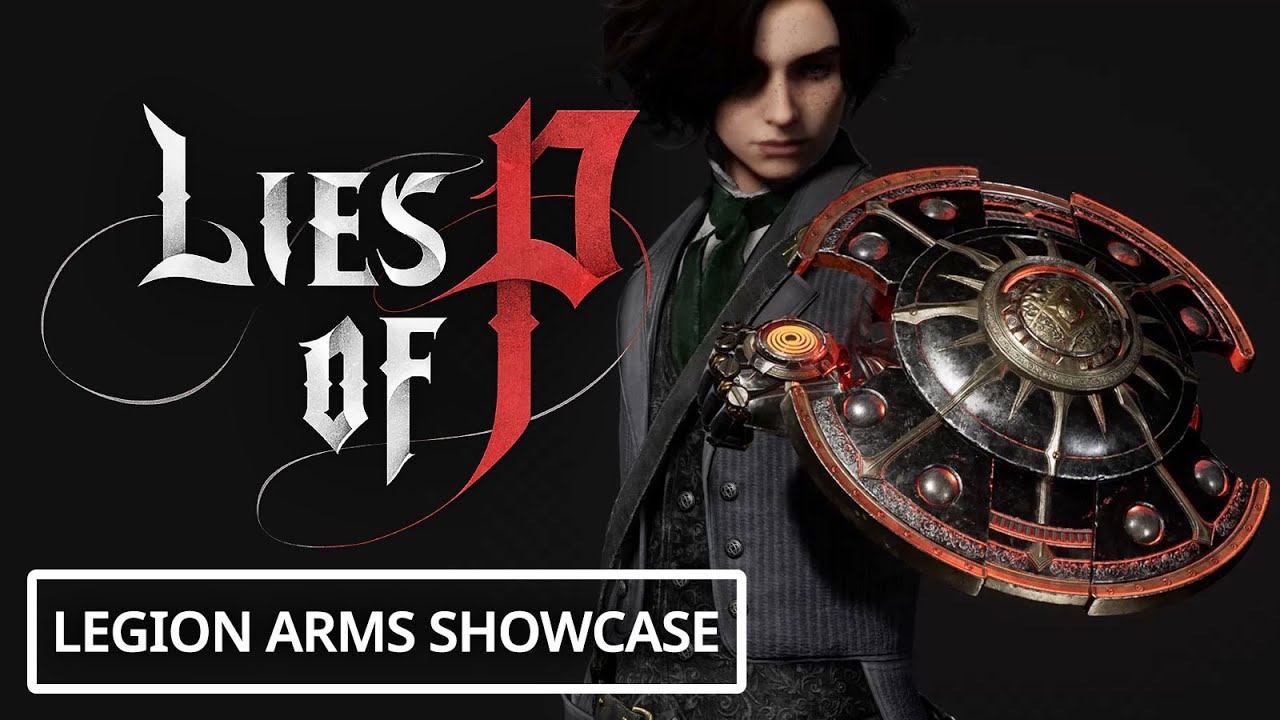
Choose a Legion Arm for one clear job
Legion Arms are a separate utility layer and can be swapped to suit the encounter. Choose by the repeated problem rather than by spectacle.
- Space closing: use an Arm that helps reach an enemy your weapon repeatedly misses.
- Elemental pressure: match the Arm to a confirmed enemy vulnerability rather than using one element everywhere.
- Control or defense: value a reliable opening or safe reset when the weapon already supplies enough damage.
- Resource test: compare Legion consumption across the full route, not only the strongest activation.
Common weapon-building mistakes
- Combining a slash-focused blade with thrust motions, or the reverse, without reading the compatibility indicators.
- Judging only displayed attack while ignoring reach, recovery, guard performance and stamina.
- Using a crank before deciding whether the handle's moveset belongs in the build.
- Upgrading several normal blades evenly instead of keeping one dependable option current.
- Changing the blade, handle, Legion Arm and strategy simultaneously, leaving no readable comparison.
- Treating special weapons as if they can be disassembled like normal blade-and-handle weapons.
Lies of P weapons FAQ
Does the blade or handle determine the moveset?
The handle determines normal and charged attack animations. The blade changes damage qualities, reach, weight, guard behavior and the blade Fable Art.
Can I move an upgraded blade to another handle?
Yes. Normal weapon upgrade levels belong to the blade. Test it on another compatible handle without repeating the blade upgrade.
What do Fable Arts come from?
An assembled normal weapon has two: one from the blade and one from the handle. Both should have a defined use in your build.
When should I use a crank?
After the handle's moveset has proven useful and you know whether Motivity, Technique or Advance is the scaling direction you intend to support.
Official sources
This guide uses official game, platform and trailer material for published facts. Exact damage values, drop rates and unverified unlock conditions are intentionally excluded.
Official explanation of mixing blades and handles, dual Fable Arts, Legion Arms and where assembly becomes available.
PlayStation Blog · NEOWIZ · Checked Aug 19, 2026Official confirmation of the mix-and-match weapon system and swappable Legion Arms.
PlayStation · Checked Aug 19, 2026Current official gameplay and platform reference for weapon combinations and Legion Arms.
NEOWIZ · Checked Aug 19, 2026