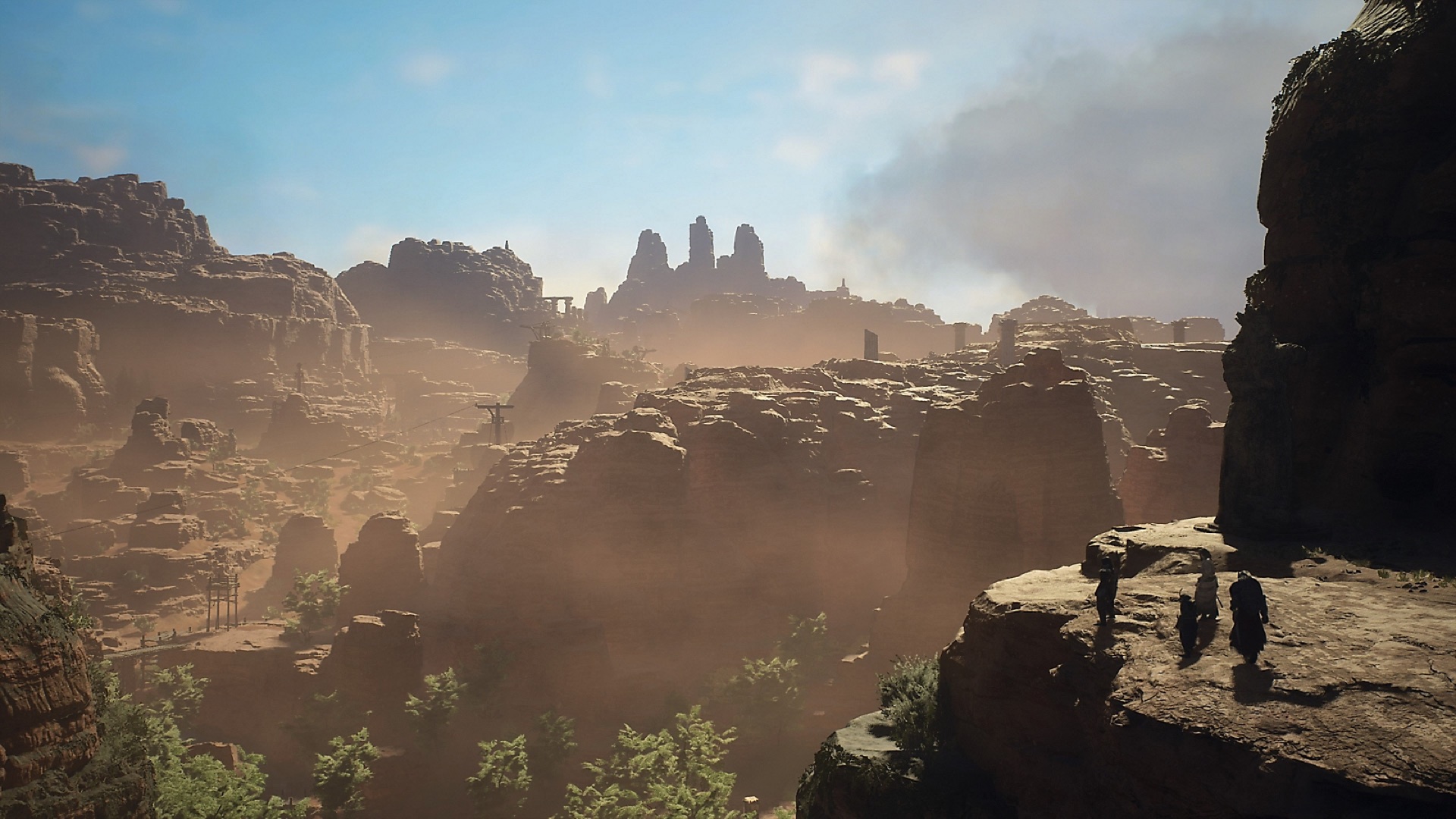
Do this first
- 01Identify the monster and its reachable body parts.
- 02Check whether the party has range, support and a stable front line.
- 03Use terrain and space before climbing or charging a long attack.
- 04Change the party when flight, magick or pressure has no answer.
- 05Leave the encounter if resources or position collapse.
Decide whether to engage
The official game page explicitly asks players to choose between fighting monsters and exploring other options. Large enemies are environmental problems as well as health bars.
Check exits, height, hazards and nearby smaller threats. Starting from open ground with a complete party is different from being surprised in a narrow route at night.
Match the documented threat
Capcom describes Cyclops weak-point pressure through ranged attacks or climbing, Wights as magick-heavy aerial threats, Drakes as fire-breathing and capable of magick, and Dullahan as a dangerous sword fighter that stalks in darkness.
Use those documented identities to choose party coverage. They do not support invented health, resistance, spawn or drop numbers.
Use height without losing the party
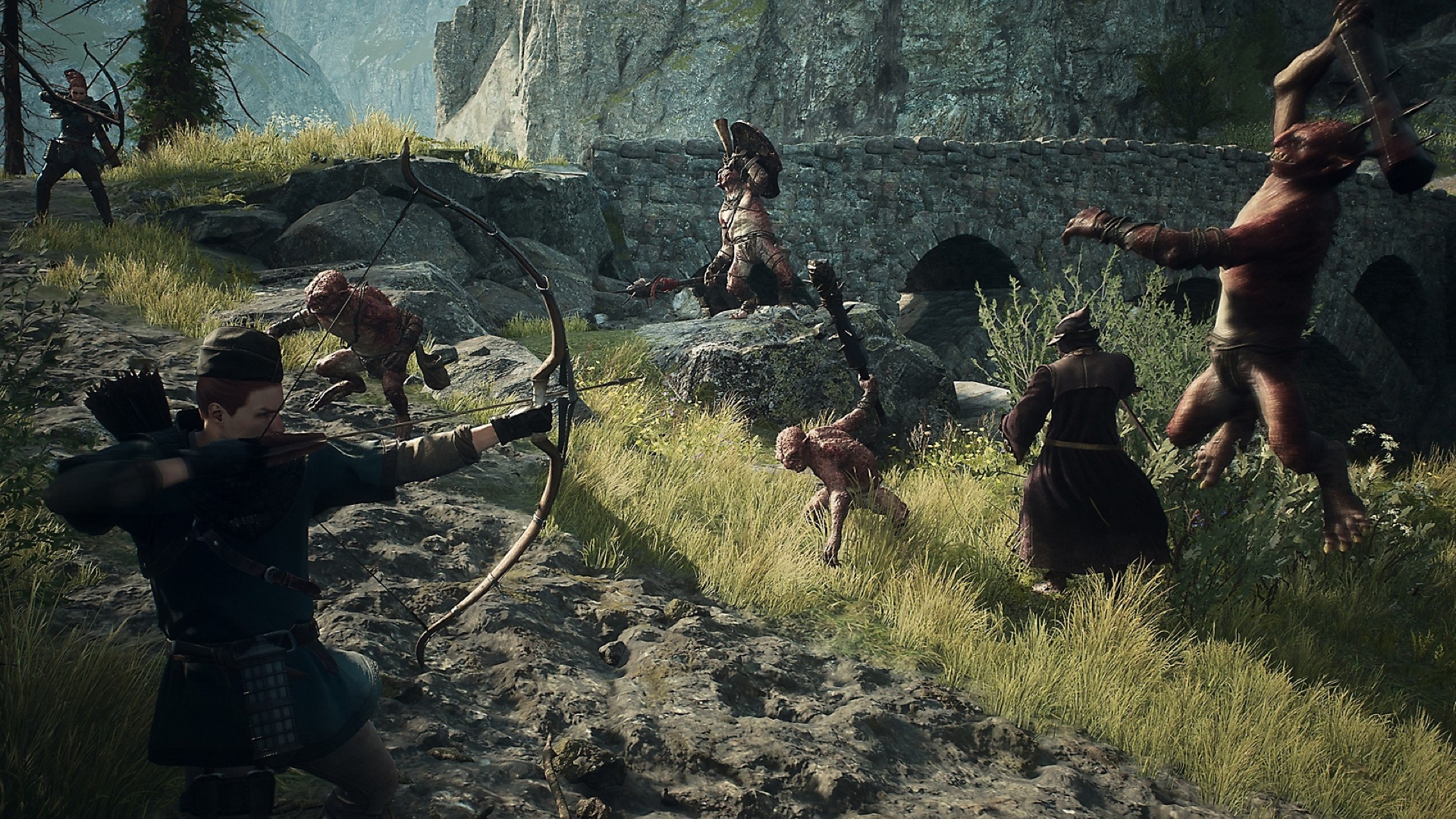
Climbing can reach a large foe's vulnerable area, while ranged vocations can pressure high targets from safer positions. Both approaches depend on the rest of the group surviving and creating time.
Before climbing, check stamina and the monster's movement. Before a long ranged or magick commitment, make sure another party member can hold attention.
Recover from a failed setup
If the group cannot touch a flying threat, leave and add range. If fire or magick breaks the formation, spread out and bring support that can stabilize the party.
A retreat is information. Record whether the failure came from reach, durability, recovery or position, then change the corresponding Pawn role before returning.