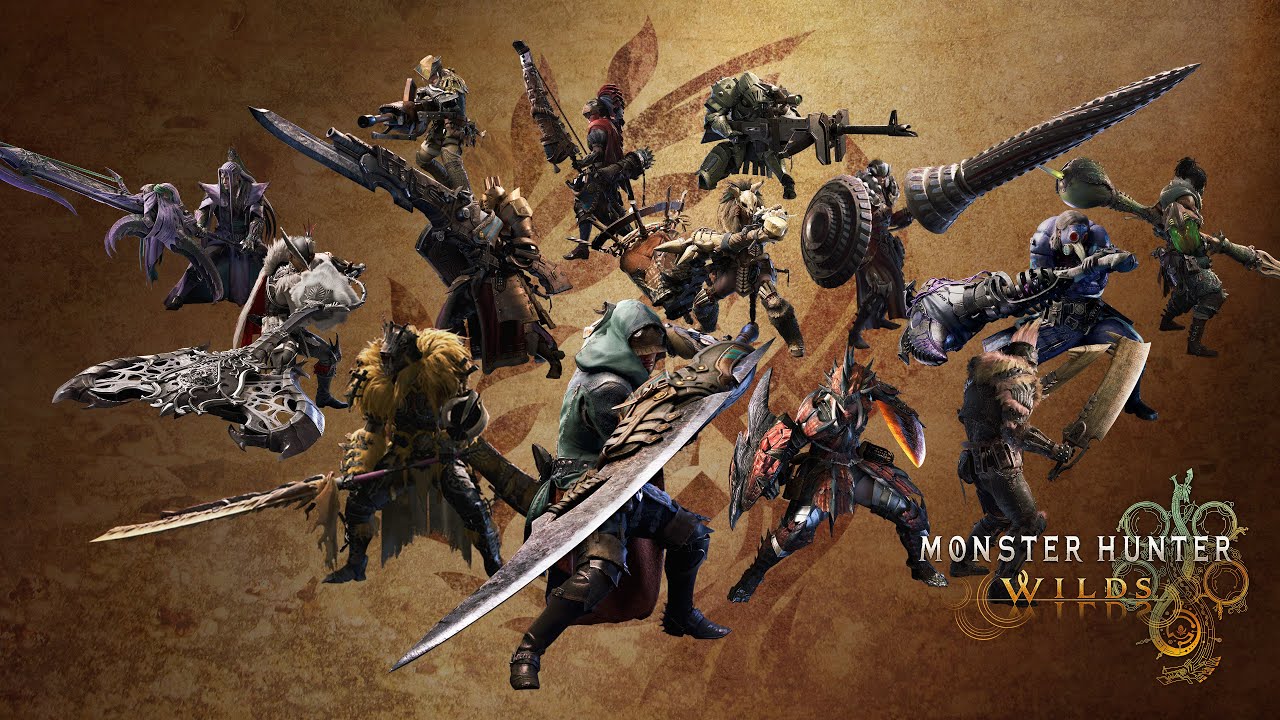
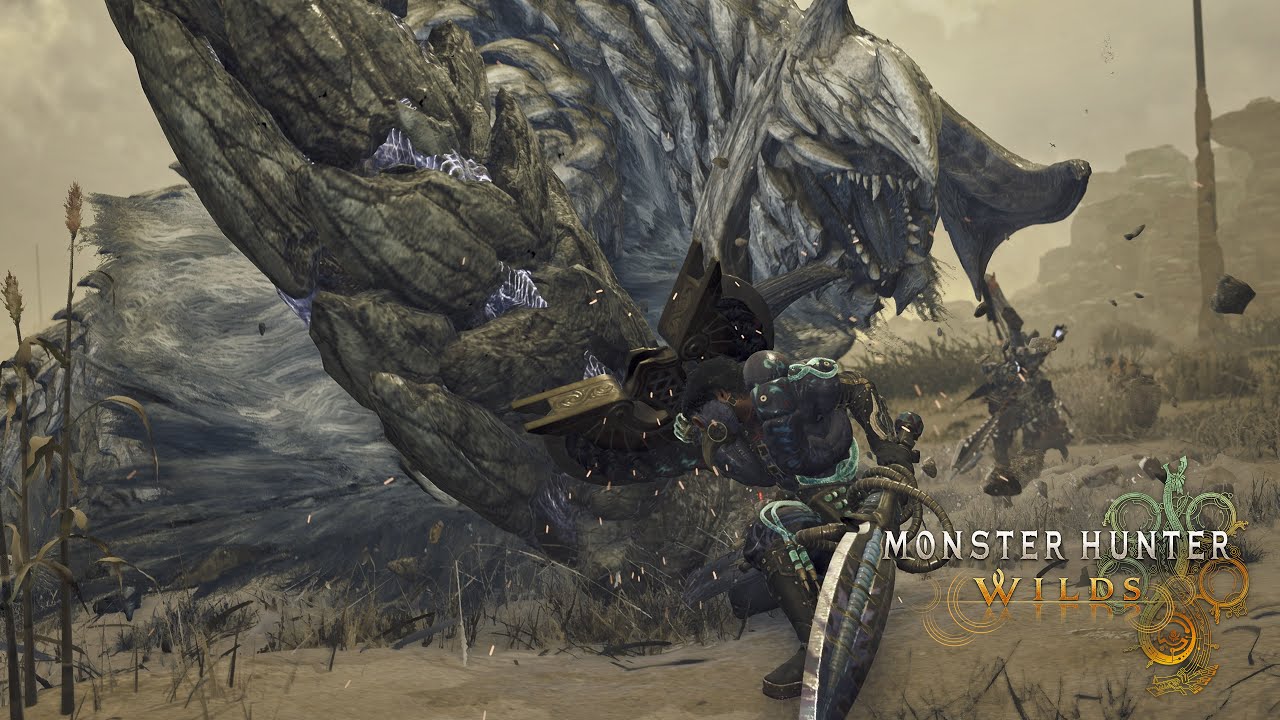
Great Sword build priority: make the weapon loop work first
Use this default order: current weapon upgrade → opening access → charge hit rate → one answer for safe reset → repeatable damage in the remaining space.
Start with the Learning recipe when the loop still breaks, move to Balanced when five hunts stay stable, and use Clean-run damage only after the same test shows that extra damage does not cost carts or weapon-loop repetitions.
Great Sword three-step hunt plan
Use this sequence before changing equipment. It separates a loadout problem from a timing, positioning or resource problem, so each slot change has a reason.
- 01Map the opening
Start with draw attacks and the shortest charge the opening safely supports. Do not force the longest charge while learning the target.
Record: landed charged hits, interrupted charges and time spent chasing
- 02Convert the real window
Use Focus Mode to aim the charged hit at a wound or weak point when the monster is committed, toppled or otherwise unable to leave.
Record: which monster action created the opening and which charge level landed
- 03Reset after commitment
Sheathe, reposition or use the safe defensive answer after the hit instead of extending a sequence that has already ended.
Record: forced heals, guard downtime and the next successful opening
Change the build only when the hunt shows this
| Observed signal | Next hunt decision | Loadout response | Proof to keep it |
|---|---|---|---|
| Long charges repeatedly miss | Release one charge level earlier and confirm the monster action first. | Move one damage job to opening access or recovery. | More charged hits land across five matched hunts. |
| Charges are interrupted | Begin the commitment later; do not treat armor as permission to ignore the opening. | Keep one recovery answer only if it prevents the repeated interruption. | Interruptions fall without reducing landed charged hits. |
| Hits land but the hunt stays slow | Reserve the strongest conversion for wounds, topples and fixed recoveries. | Add repeatable damage only after access is stable. | Median clear time improves with the same or fewer carts. |
| Guarding creates long idle periods | Identify attacks that should be repositioned or sheathed instead. | Remove defense that never creates a new attack window. | More usable openings follow defensive decisions. |
What the official Great Sword material confirms
- Great Sword delivers powerful, heavy blows with slow movement and attacks.
- It can use hit-and-run tactics or guarding, which gives it more than one answer to a short opening.
- Focus Mode helps aim attacks at wounds and weak points.
These mechanics define the jobs a build must support. They do not prove that one named armor set, decoration package or damage claim is universally current.
Three Great Sword build recipes
| Recipe | Use when | Skill-job order | Promotion test |
|---|---|---|---|
| Learning | The weapon loop breaks or mistakes repeatedly force healing | Opening access → Charge hit rate → Safe reset → survival | Finish five hunts with the intended loop and no repeated carts |
| Balanced | The loop works, but one resource or interruption still removes openings | Opening access → Charge hit rate → one safe reset answer → Repeatable damage | Five hunts improve the median without losing loop repetitions |
| Clean-run damage | The loop, maintenance and recovery are already stable | Opening access → minimum charge hit rate → damage that remains active | Beat Balanced across five matched hunts with no extra carts |
In the smithy, compare complete skill totals, slots, crafting cost and owned decorations. A β piece is useful only when your decorations can turn its extra slots into the job this recipe requires.
Fix the Great Sword failure you can see
| Observed failure | Build response | Practice response |
|---|---|---|
| Charged attacks miss or are interrupted | Protect opening access and recovery before adding damage | Match the charge level to the actual opening instead of forcing the longest charge |
| You spend most of the hunt chasing | Add one mobility or recovery answer | Use short confirms and reposition before committing |
| Guarding creates long downtime | Keep only the defense needed to survive the missed read | Record which attacks should be avoided rather than guarded |
| The biggest hit rises but clears do not | Restore the uptime job removed for sheet damage | Compare landed charged hits and median clear time |
Prove this Great Sword build in five matched hunts
- 01Save the baseline
Record weapon upgrade, armor, decorations, food, items and the exact quest before changing anything.
- 02Pass the loop check
Use the Training Area and in-game Weapon Controls guide until the intended resource and conversion are repeatable.
- 03Run one fixed quest five times
Record clear time, carts, successful loop repetitions, forced healing and maintenance stops.
- 04Change one job only
Replace one comfort, uptime or damage job and repeat the same quest under the same conditions.
- 05Keep the median winner
Keep the change only when the median improves without extra carts or fewer successful weapon loops.
Great Sword build FAQ
What should a Great Sword build prioritize in Monster Hunter Wilds?
Prioritize opening access, a practical weapon upgrade, charged-hit accuracy and one safe recovery answer. Add damage only after valuable charged attacks land consistently.
When should I add more damage to a Great Sword build?
Add damage only after five matched hunts show that the weapon loop, resource economy and recovery remain stable without extra carts or lost openings.
Does this page claim one exact armor set is always best?
No. Progression, owned decorations, weapon reinforcement and the current client change the exact pieces. The recipes define what each slot must accomplish and how to prove the result.
Official Great Sword sources
Official footage and description used to establish the Great Sword mechanics on this page.
Monster Hunter · Checked Aug 20, 2026Official descriptions of all 14 weapon identities, resources and defensive or mobility tools.
PlayStation · Checked Aug 20, 2026Official instructions for the Training Area, Weapon Controls guide, Focus Mode, wounds and Seikret field maintenance.
PlayStation · Checked Aug 20, 2026