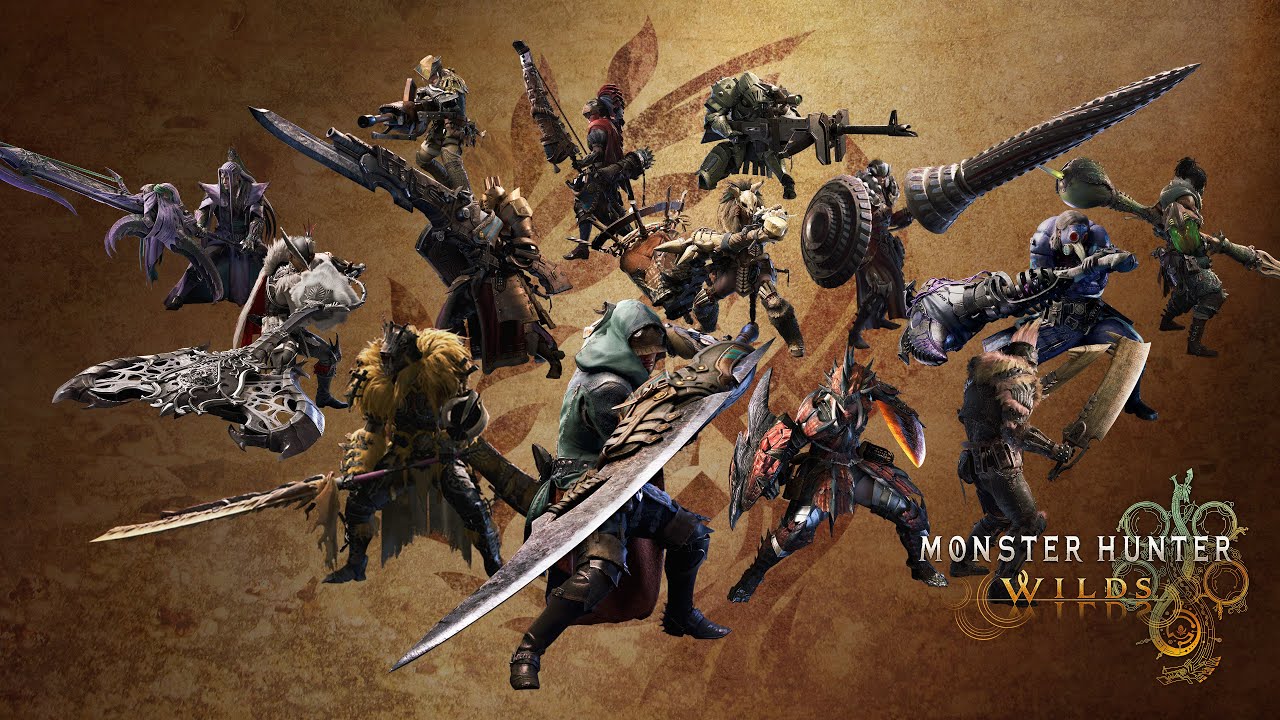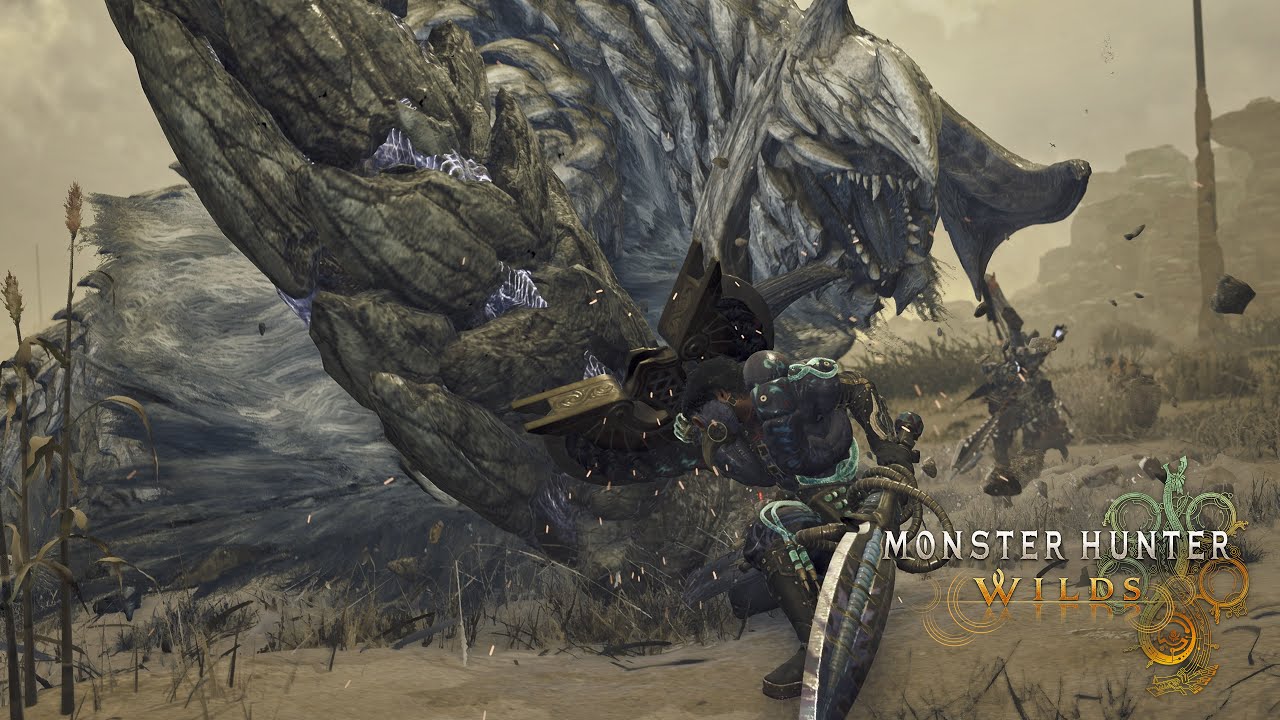
The best beginner build is weapon first, defense second
Use this default: take the highest practical upgrade for the weapon you already understand, equip current-rank armor that stops ordinary hits from becoming carts, add one weapon-loop skill and reserve one skill job for recovery, mobility, stamina or another problem you can name.
Three beginner build recipes
| Recipe | Weapon | Armor | Skill jobs | First replacement |
|---|---|---|---|---|
| Story learning set | Highest practical upgrade on your chosen weapon tree | Current-rank pieces with clearly better defense | 1 weapon-loop job · 1 survival or comfort job | Weapon first, then the weakest defense piece |
| High Rank entry set | First affordable High Rank upgrade you can operate well | Replace obsolete Low Rank pieces; mix α pieces by useful built-in skills | Core loop · one answer to the failure ending hunts | Do not keep Low Rank gear for a minor bonus if normal hits now cause carts |
| Stable High Rank set | Upgraded weapon with manageable sharpness, ammo or stamina cost | α for ready-made bonuses; β only when owned decorations fill the slots | Core loop · uptime/comfort · remaining space for consistent damage | Change one job at a time and compare five matched hunts |
A “job” is the result a slot must deliver. For a Bow it may be stamina support; for Long Sword it may be protecting gauge and counter uptime; for a slow weapon it may be making committed attacks safer. Use the smithy skill filter to find the cheapest piece that performs that job.
Build it in the smithy in this order
- 01Lock one weapon
Choose the weapon you can already complete a normal hunt with. Upgrade that tree before funding several experimental weapons.
- 02Fix the largest defense gap
Compare current-rank armor and replace the piece with the clearest defense loss. Use Armor Spheres on a set you will keep for the next progression block.
- 03Add one loop skill
Filter for the skill job that lets your weapon complete its normal cycle more reliably. Do not stack several unrelated partial bonuses.
- 04Fix one observed failure
If stamina, recovery, roars, repeated elemental damage or another specific interruption ends attacks, spend one slot on that answer.
- 05Save and name the loadout
Register it before experimenting. The official loadout menu lets you return to the known-good baseline after a bad swap.
Replace gear when the hunt gives you evidence
| What happened | Change next | Do not do |
|---|---|---|
| Normal attacks now cause carts | Upgrade armor or replace the lowest-defense obsolete piece | Farm a rare damage piece first |
| The weapon loop regularly runs out of sharpness, ammo or stamina | Add one maintenance answer or choose a more manageable weapon upgrade | Judge the build by one large hit |
| A specific interruption repeatedly stops damage | Spend one comfort slot on that named problem | Add generic defense with no diagnosis |
| Five hunts are clean and consistent | Trade one comfort job for consistent damage and compare again | Replace several pieces at once |
Beginner build FAQ
Should I craft a full matching armor set?
Not by default. Mix pieces when their individual skills solve your build jobs. A full set is justified only when its built-in skills, group skill and material cost all serve the same plan.
When should I replace Low Rank armor?
At High Rank entry, start replacing pieces whose defense is now the reason normal mistakes become carts. Do not preserve an obsolete piece for a small bonus that no longer compensates for the survival loss.
Do I need rare decorations?
No. Start with α armor whose built-in bonuses already work. Move toward β pieces as your owned decoration pool becomes capable of filling the additional slots.
Official sources behind the build method
Official guidance on training, weapon controls, meals, Seikret recovery, Focus Mode and the multi-hunt cost of forging gear.
PlayStation · Checked Aug 20, 2026Official explanation of equipment loadouts, weapon and armor decorations, and the built-in-skill versus slot trade-off between α and β armor.
PlayStation · Checked Aug 20, 2026