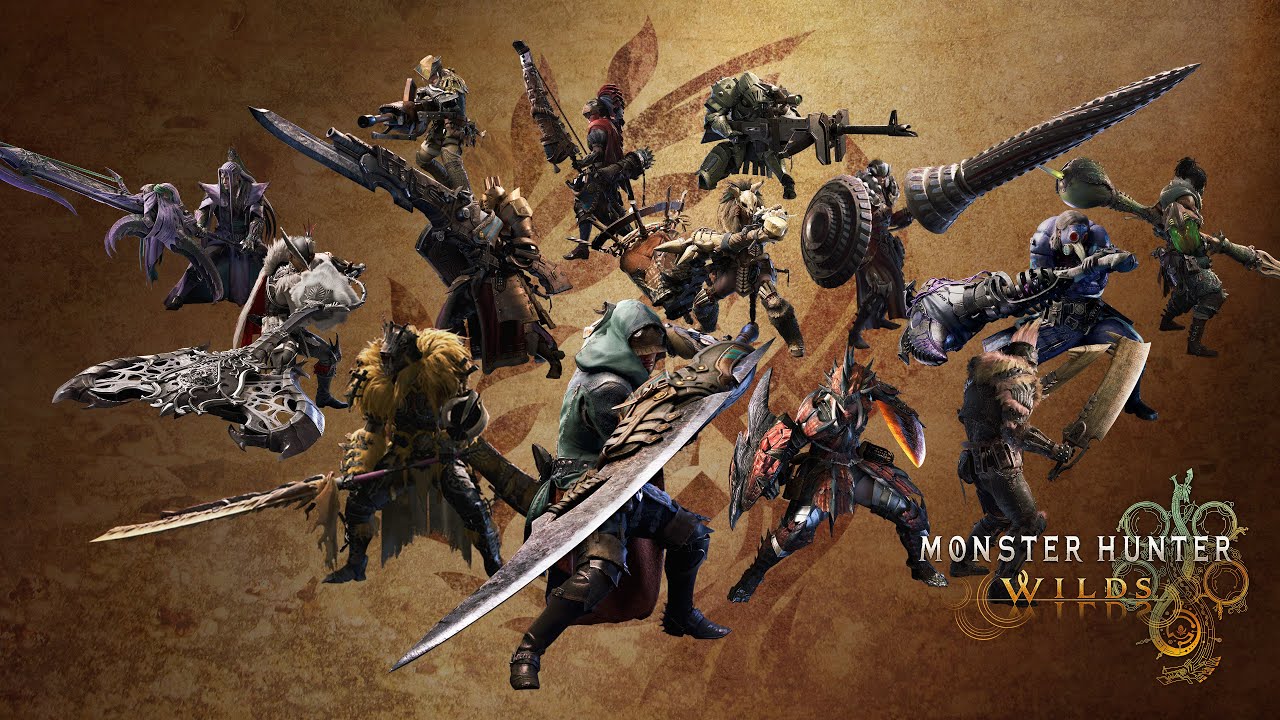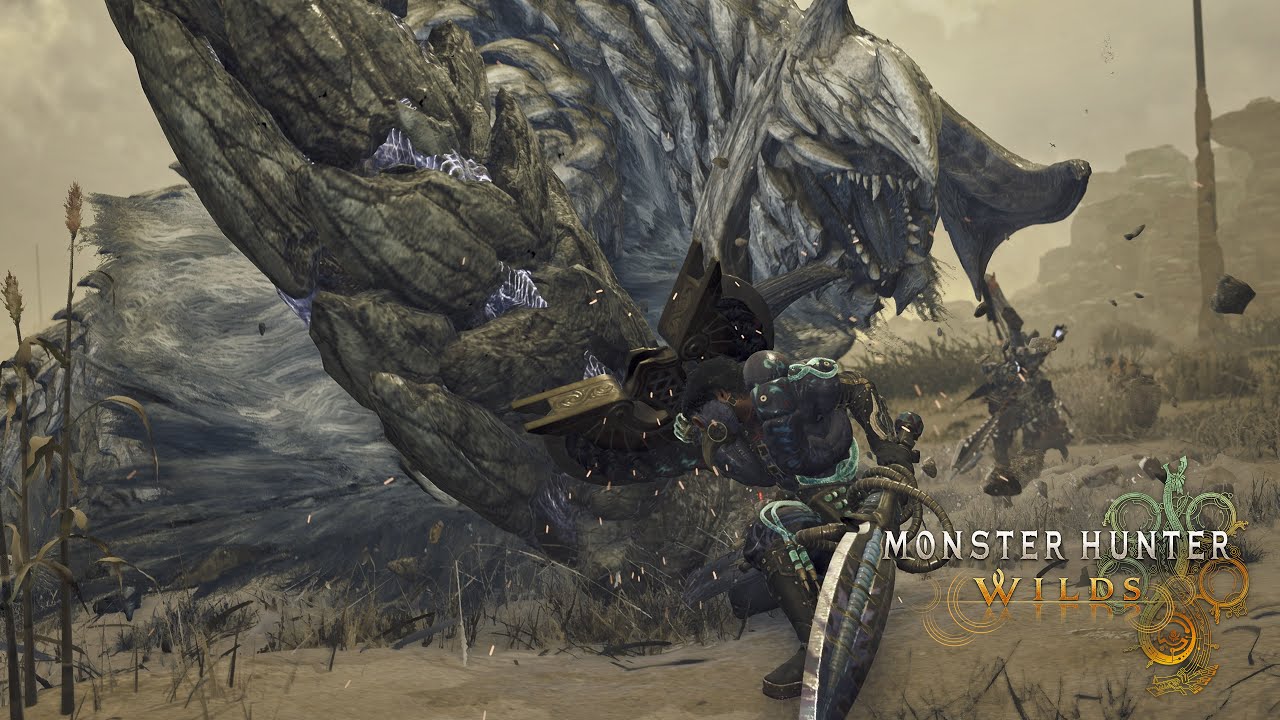
Which Monster Hunter Wilds weapon should you choose?
Monster Hunter weapons behave like different combat systems. The best starting point is the one whose decision rhythm makes sense before you execute it cleanly. Damage rankings cannot tell you whether you enjoy charging, countering, guarding, aiming or managing forms.
| Rhythm | Try these | Best fit |
|---|---|---|
| Deliberate | Great Sword · Hammer · Lance | Read an opening, commit, and make one clear decision count. |
| Reactive | Long Sword · Sword & Shield · Gunlance | Answer pressure with counters, guards or quick repositioning. |
| Technical | Charge Blade · Switch Axe · Insect Glaive | Enjoy forms, gauges and layered resource decisions. |
| Relentless | Dual Blades · Bow · Light Bowgun | Stay active, mobile and aware of a recurring resource. |
| Specialist | Hunting Horn · Heavy Bowgun | Bring a distinctive rhythm and strong hunt-specific utility. |
The three-minute training test
Keep a weapon when you can explain what it wants from you, even if your hands are not ready yet. Difficulty is trainable. A rhythm you actively dislike is a more expensive problem.
Take two different answers into the field
Your Seikret lets you carry two weapons, so weapon choice is not a permanent lock. Pair a confident first choice with a contrasting second option. The contrast teaches whether your real preference is reach, commitment, defense, mobility or the ability to aim at a specific part.
- Run the same familiar target with both weapons.
- Count clean openings, not only the largest hit.
- Notice whether recovery, sharpening, reloads or stamina break your rhythm.
- Keep the weapon that makes the monster easier to read.
Build knowledge before a tier list
Once one weapon feels legible, learn its reliable opening, wound conversion and defensive reset. A performance ranking becomes useful later, when you know whether you care about first-clear safety, solo speed, team control or theoretical ceiling.
Official sources behind this weapon guide
Monster Hunter Wilds has 14 weapon types, and Focus Mode changes how every weapon can aim or reposition attacks. The recommendations above group those official weapon identities by the decisions a beginner must make; they are not a damage ranking.
Official introduction to the world, hunting loop, weapons and core mechanics for new players.
Monster Hunter official YouTube · Checked Aug 21, 2026Official overview of all 14 weapon types, Focus Mode and the second weapon carried by the Seikret.
PlayStation · Checked Aug 21, 2026