Best weapon answer: start with Sword & Shield, then test your rhythm
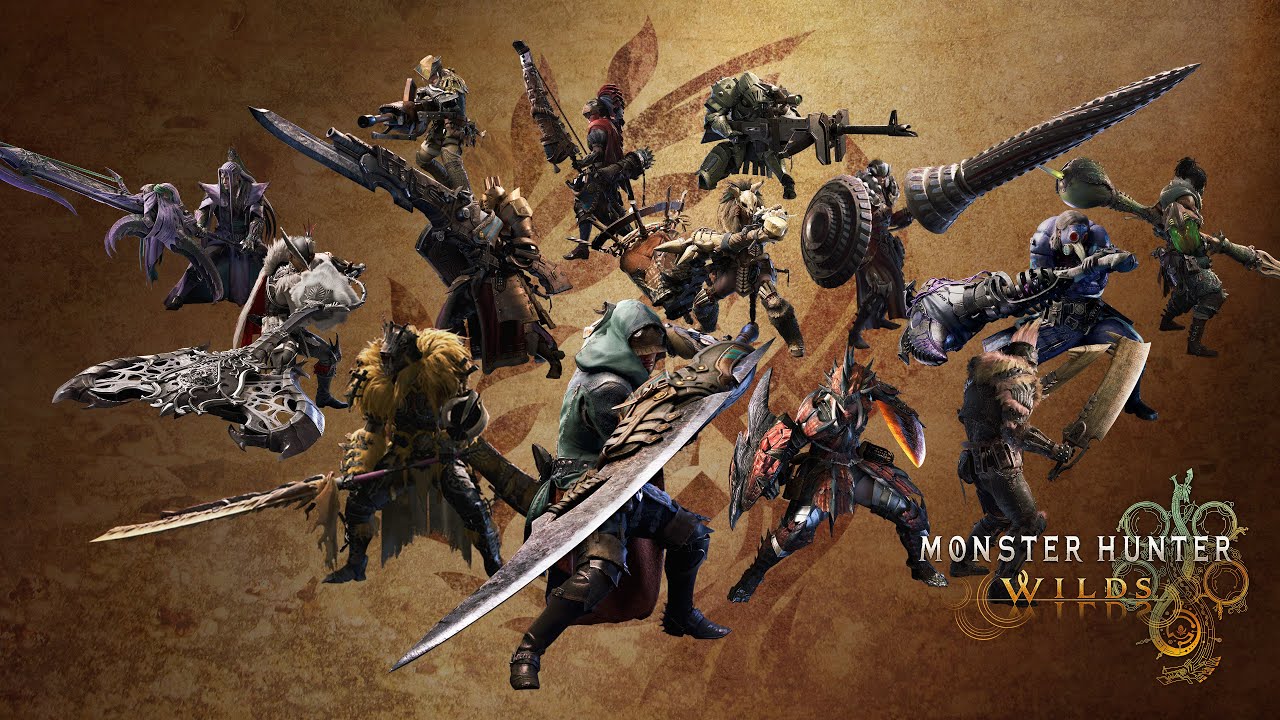
Sword & Shield is the strongest general beginner recommendation in this guide. It moves quickly, recovers cleanly, can guard and can use some items while drawn. That does not make it the universal damage winner. Long Sword and Lance lead the solo-consistency board here, while Hunting Horn and Light Bowgun lead the multiplayer-value board.
Monster Hunter Wilds weapon tier list
This is an editorial field-use board, not a speedrun chart or a claim about a hidden current-patch damage formula. Every row is judged against the same four practical questions. Select any weapon name to open its complete build guide.
| Weapon | Beginner | Solo | Multiplayer | Ceiling | Why it lands here |
|---|---|---|---|---|---|
| Great Sword | B | A | B | S | Adaptable guard and hit-and-run play; expert value comes from converting short reads into charged hits. |
| Long Sword | B | S | A | S | Fast movement and counters reward target knowledge; the Spirit Gauge gives a clear improvement loop. |
| Sword & Shield | S | A | A | A | Mobile, fast to recover, able to guard, and can use some items without sheathing. |
| Dual Blades | A | A | B | A | Immediate feedback and strong mobility, balanced by stamina and Demon Gauge management. |
| Hammer | A | A | A | A | A readable charge loop, useful mobility and a clear head target for stun pressure. |
| Hunting Horn | B | A | S | A | Blunt damage plus melodies and Echo Bubbles; exceptional team value without becoming a passive support weapon. |
| Lance | A | S | A | A | Top-class defense, safe thrusts and counters make uptime easier to understand. |
| Gunlance | B | A | A | S | Shield safety and shelling are powerful, but spacing, reloads and commitment add another layer. |
| Switch Axe | B | A | B | S | Axe reach and Sword pressure create a flexible but meter-aware two-mode plan. |
| Charge Blade | C | A | A | S | Mobile Sword Mode feeds phials into powerful Axe Mode attacks; several linked resources raise the learning cost. |
| Insect Glaive | C | A | B | S | Vaulting and Kinsect extracts provide freedom, but buff collection and aerial choices demand target knowledge. |
| Light Bowgun | A | A | S | A | High mobility and rapid ranged pressure are approachable once ammo choice and reload rhythm are prepared. |
| Heavy Bowgun | B | A | A | S | Auto-Guard and range add security, while slower repositioning and special-ammo windows punish poor planning. |
| Bow | C | A | A | S | Mobile mid-range attacks and Tracer support are strong, but aiming, charge level and stamina all compete for attention. |
Weapon matchups still matter. A broad grade can hide a weapon that is excellent against one body plan and awkward against another. Use the table to choose candidates, not to replace field testing.
Choose a first weapon in under ten minutes
| If you want… | Try first | Second comparison |
|---|---|---|
| A forgiving all-round start | Sword & Shield | Lance |
| Heavy, readable commitments | Hammer | Great Sword |
| Counters and continuous flow | Long Sword | Lance |
| Fast movement and constant input | Dual Blades | Light Bowgun |
| Ranged aiming | Light Bowgun | Bow |
| Forms, gauges and mastery depth | Switch Axe | Charge Blade |
| Strong party contribution | Hunting Horn | Light Bowgun |
Use the Training Area and the in-game Info → Play Guide → Weapon Controls pages. Then take two contrasting choices against the same familiar target. Keep the weapon that makes the monster easier to read, not merely the one that produces the largest training-room number.
How the four boards are scored
- Beginner fit: clarity of the basic loop, recovery after mistakes, setup burden and defensive options.
- Solo consistency: ability to create openings, preserve uptime and answer a target that focuses on one hunter.
- Multiplayer value: reach, control, buffs, status or ranged access that still matters when the monster changes targets.
- Execution ceiling: routing depth, resource optimization and the reward for precise matchup knowledge.
Weapon tier list FAQ
What is the easiest weapon in Monster Hunter Wilds?
Sword & Shield is the clearest all-round answer. Hammer, Lance, Dual Blades and Light Bowgun are also approachable when their rhythm matches the player.
Why is Charge Blade rated C for beginners?
It asks the player to connect Sword Mode, phial charging and Axe Mode before the full plan becomes visible. Its C is a learning-cost label, not a statement that the weapon is weak.
Should I switch because my weapon is not S tier?
No. Switch only when another weapon solves the problem you actually have. Familiarity, clean hit rate and matchup knowledge usually matter more than moving from an A to an S on a broad editorial board.
Official sources and review boundary
Official pages confirm the fourteen weapon types and describe their core mechanics. The tier letters are Wilds Atlas editorial judgments built from those mechanics; they are not presented as Capcom rankings.
Official descriptions of all fourteen weapon types and their defining mechanics.
PlayStation · Capcom · Checked Aug 20, 2026Official Training Area and in-game Weapon Controls guidance for new hunters.
PlayStation · Checked Aug 20, 2026Official confirmation of the returning fourteen weapon types and Focus Mode systems.
PlayStation Blog · Capcom USA · Checked Aug 20, 2026