Monster location answer: region first, live map second
Start with the five-region index below: Windward Plains, Scarlet Forest, Oilwell Basin, Iceshard Cliffs and Ruins of Wyveria. Open Environment Overview, filter the current map for large monsters and select the target when it is present. Marking the target lets Seikret navigate toward it. A static screenshot can explain a route, but it cannot guarantee the same area after the environment or migration changes.
Exact location and hunt guides
Use the regional index to identify the right environment, then open the exact target guide for its access rule, weakness and repeatable fight plan.
What a complete monster location needs
| Proof | Why it matters | What to record |
|---|---|---|
| Access | A field marker cannot bypass a story, rank or quest lock. | Required chapter, Hunter Rank, title update and quest giver. |
| Environment | The same region can show a different large-monster list. | Fallow, Inclemency or Plenty plus time of day. |
| Live target | Migration makes an old area number unreliable. | Environment Overview entry and current selected icon. |
| Route | The nearest camp by distance may sit on the wrong map layer. | Camp, vertical transition and Seikret path. |
Monster locations by region
| Region | Signature target | Other confirmed targets | Location condition |
|---|---|---|---|
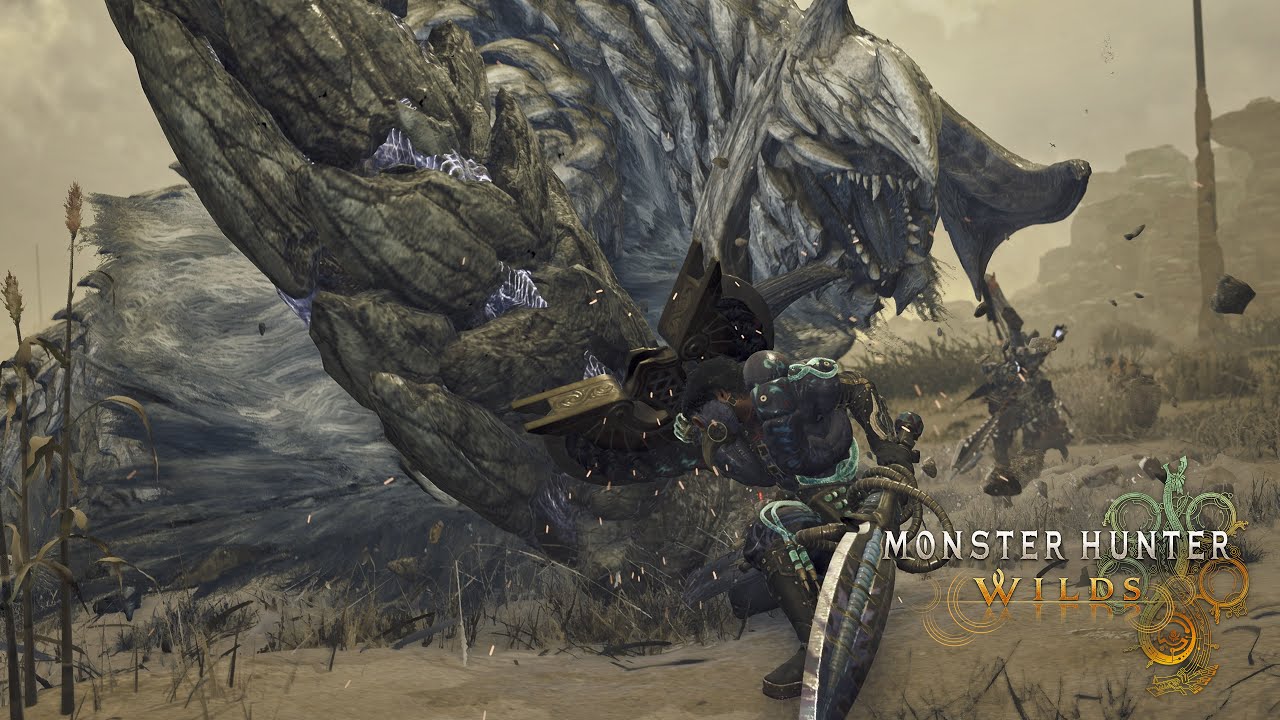
| Windward Plains | Rey Dau | Chatacabra · Doshaguma · Balahara · Quematrice | Rey Dau is the apex; recheck Sandtide and current map state before routing. |
| Scarlet Forest | Uth Duna | Lala Barina · Mizutsune | Uth Duna is seen most often during the Downpour. Mizutsune requires its post-launch quest access. |
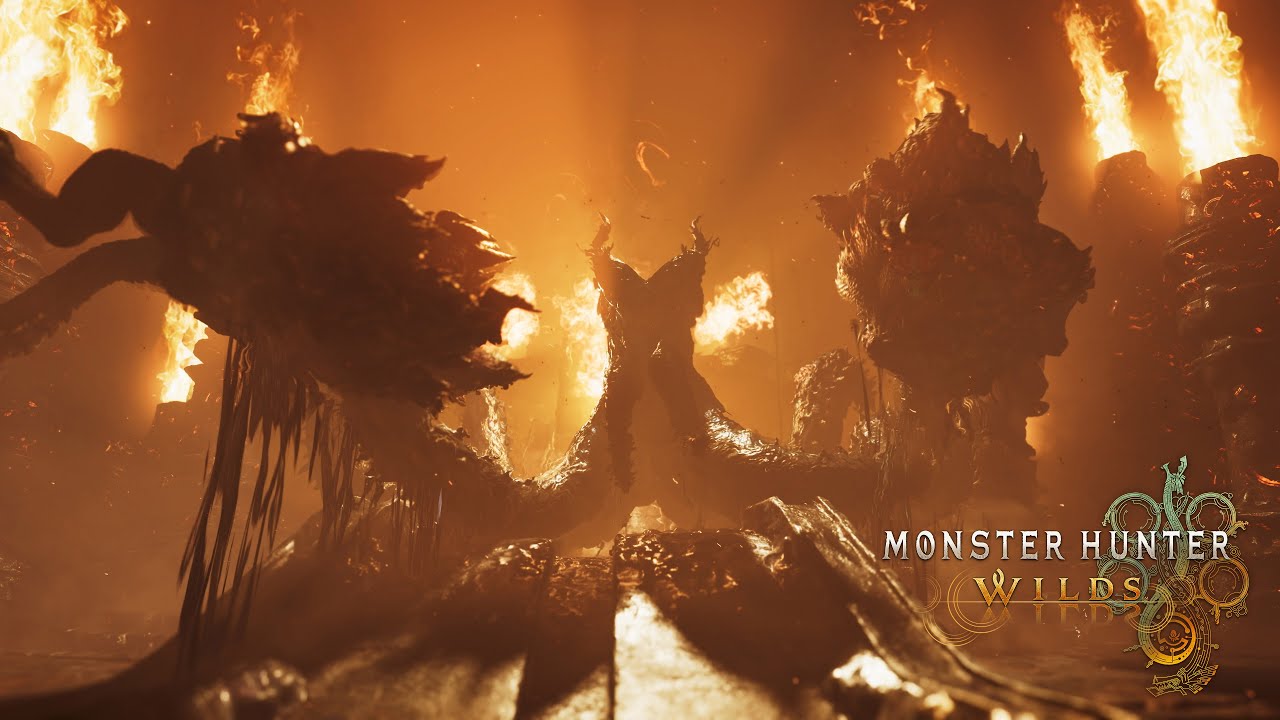
| Oilwell Basin | Nu Udra | Ajarakan · Rompopolo | Firespring changes the region; Ajarakan becomes especially active during this Inclemency. |
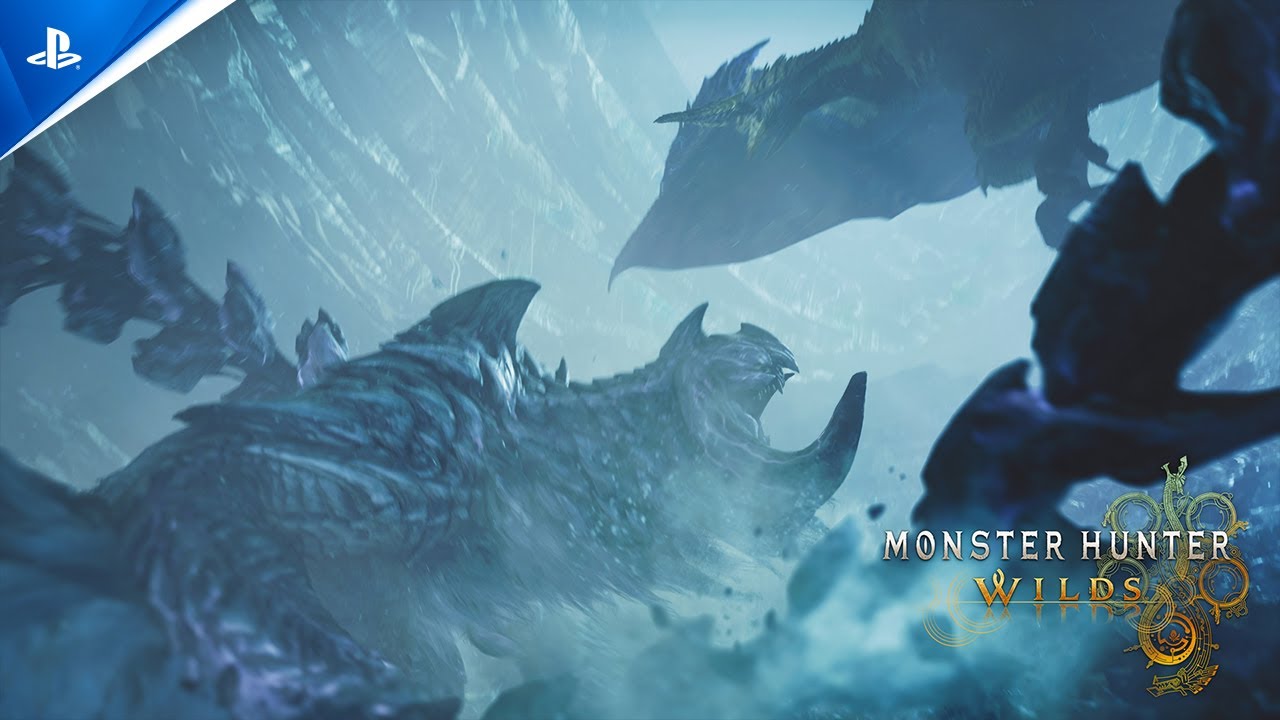
| Iceshard Cliffs | Jin Dahaad | Hirabami | A cold vertical locale where route layer and camp choice matter as much as distance. |
| Ruins of Wyveria | Zoh Shia | Guardian and story-linked targets | High Rank Zoh Shia can rarely appear during Wyvern’s Wakening after its HR 50 unlock mission. |
This is a region index, not a promise that every listed monster is visible at the same time. The field ecosystem changes between Fallow, Inclemency and Plenty, and the same target can move between areas after the hunt starts.
Why the monster is not showing on your map
| Likely cause | What to do |
|---|---|
| Wrong environment | Read Environment Overview. When Rest is available, use the tent BBQ menu to change environment and time. |
| Quest or story lock | Check the exact Optional, Event or post-update mission instead of waiting in the open field. |
| Monster already migrated | Re-select the target icon and let Seikret update the route rather than returning to an old area marker. |
| Wrong map layer | Switch the map level and inspect cave, surface and elevated routes before choosing the nearest-looking camp. |
| Special appearance rule | Use the named condition: Downpour for frequent Uth Duna sightings or Wyvern’s Wakening for a possible Zoh Shia field appearance. |
| Target added by an update | Confirm the required title update, Hunter Rank and quest-giver. For example, Mizutsune begins through Kanya at Scarlet Forest Base Camp at HR 21 or above. |
Build a monster route another hunter can repeat
- 01Confirm access
Check story progress, Hunter Rank, title update and the exact quest before changing the environment.
- 02Read the current state
Record region, Fallow or Inclemency state, time and the large-monster list in Environment Overview.
- 03Mark the live target
Select the monster on the map and use Seikret navigation instead of following a permanent coordinate.
- 04Choose by travel path
Compare available camps, risk rating and vertical transitions—not only straight-line distance.
- 05Update after migration
Reopen the map after the monster changes area or flees to its nest; the route is allowed to change.
Pop-up Camps are useful shortcuts, but suitable sites have different destruction risks. A closer dangerous camp may not be the best repeatable starting point for a long material farm.
Monster location FAQ
Where is Rey Dau?
Rey Dau is the apex predator of the Windward Plains. Check the current Sandtide and migration state, then mark the live monster icon rather than traveling to one permanent area.
Where is Uth Duna?
Uth Duna is the Scarlet Forest apex and is sighted most often during the Downpour. Use Environment Overview to confirm that state before selecting a camp.
Where is Zoh Shia after the story?
After completing the HR 50 High Rank unlock mission added in Title Update 1, select its quest through Environment Overview. Zoh Shia can also rarely appear during Wyvern’s Wakening in the Ruins of Wyveria and be turned into a quest.
Can I force a monster to appear?
When the Rest option is available, the tent BBQ menu can change environment and time. Story events can temporarily lock Rest, and quest-gated targets still require their access conditions.
Official sources and review boundary
Official region descriptions, signature monsters, changing environments and named monster habitats.
PlayStation · Capcom · Checked Aug 20, 2026Official Pop-up Camp, Seikret, map, Rest, environment and time guidance.
PlayStation · Checked Aug 20, 2026Official identification of Rey Dau, Uth Duna, Nu Udra and Jin Dahaad as the four regional apex predators.
PlayStation Blog · Capcom USA · Checked Aug 20, 2026Official HR 50 Zoh Shia unlock, Wyvern’s Wakening appearance rule and Mizutsune quest access.
PlayStation Blog · Capcom USA · Checked Aug 20, 2026