Do this first
- 01Check the farm map before assuming which starter items you received.
- 02Clear and water only a small plot you can maintain every morning.
- 03Build a chest and keep one copy of unfamiliar seasonal items.
- 04Choose one afternoon focus: fishing, foraging, town errands or the Mines.
- 05Return before exhaustion and review tomorrow's weather and calendar.
Keep the first farm small
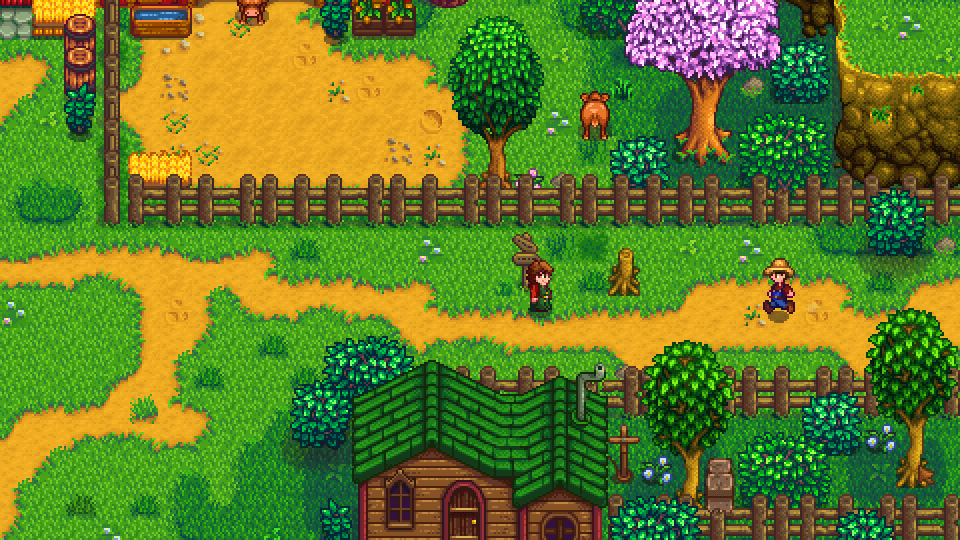
Most farm maps begin with parsnip seeds, while the Meadowlands map starts around its coop and chickens instead. Read the actual starter state before following a guide written for another map.
A compact field protects morning energy and leaves time to learn the map. Crops need water to grow, but an unwatered crop pauses rather than dying that day, so a missed tile is recoverable.
Spend energy on one useful loop
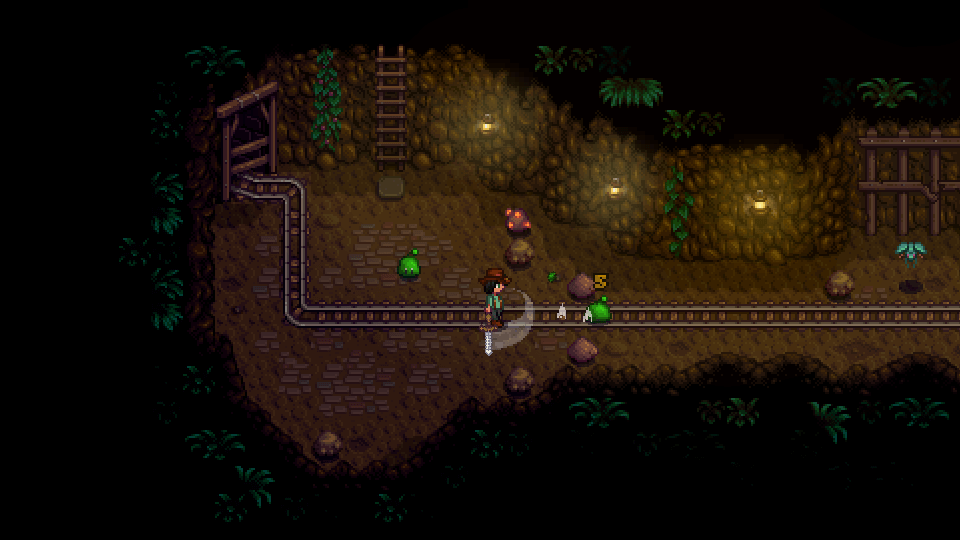
Farming, fishing, foraging, mining and combat advance different skills. Pick one afternoon loop and learn its controls instead of trying to clear the whole farm, meet every villager and reach a deep mine floor on the same day.
Carry food only after reading its energy value. Stop heavy tool use before the energy bar is empty, keep the route home in mind and treat late-night work as a deliberate trade rather than free time.
Store uncertainty instead of selling it
A chest turns an unfamiliar crop, forage item, fish or mineral into a future choice. Keep one example until you know whether it belongs to a bundle, quest, gift plan, recipe or museum donation.
Sell duplicates when you need seed money, but do not empty the farm into the shipping bin by reflex. The next day's weather, shop access and planned planting matter more than a single large cash total.
Let the valley reopen missed chances
Stardew Valley is explicitly open-ended and years continue. A missed seasonal item usually means a delayed route, not a ruined save.
Use the journal, television, calendar and live map state to choose the next task. This is safer than copying a speedrun schedule that assumes different goals, settings or prior knowledge.